


Most of us know adding salt or creamy sauces to our food isn’t the healthiest habit, but let’s get real – it sure does make it taste better.
Fortunately, there are tons of other nutritious choices to make meat, veggies, or whatever is on tonight’s menu taste just as delicious.
Those choices are spices; from peas and carrots to chicken and beef, spices add a kick to basically any food without adding all the extra calories. Spices most often come from seeds, berries, bark or roots of plants.1
Here are 7 healthy spices to enjoy:2
1. Cumin

Cumin comes from India. The seeds, yellow in color, have a strong pleasant odor and taste. A recommended amount is 6 teaspoons or ½ teaspoon of cumin powder a day. One great way to use cumin is to mix a bowl of root veggies, like sweet potatoes, cauliflower and turnips with olive oil and 1 teaspoon cumin powder, bake at 300 degree for a half hour. Add some pepper and chopped cilantro to make it extra tasty.
2. Ginger

Ginger, or ginger root, comes from the plant Zingiberofficinale, and is in the same family as cardamom and turmeric. Its cultivation started in South Asia. Ginger comes fresh or powdered. While the latter is a bit easier to work with, there are many ways to use fresh ginger.
To use fresh ginger, you must first peel off the dark outer layer with a vegetable peeler or a paring knife. Then you’ll usually need to grate it before adding to recipes. You’ll likely find it works best when mixed with wet ingredients. It should be stored in the refrigerator in a plastic or paper bag. Try ginger in a soup by simmering butternut squash, carrots, and garlic in chicken broth. Add fresh ginger and pepper, then puree, and enjoy. Or, mix ginger, low-sodium soy sauce, rice vinegar, sesame oil and garlic for a beef marinade.
3. Cinnamon
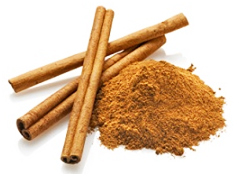
Cinnamon comes from the dried bark of Cinnamomumloureirii and is abundant in flavor. Use it to replace sugar in sauces, meat, and vegetable dishes. It can specifically work in homemade barbecue sauces, pulled pork marinade and marinara sauces. Sneaking cinnamon into breakfast, lunch, and dinner is easy. Stir cinnamon into oatmeal with berries and nuts, put it in vinaigrette salad dressing and mix it into coffee or smoothies. Be sure to use it sparingly, though, up to one teaspoon in a serving.
4. Cardamom

Cardamom is from the dried fruit or seed of Elettariacardamomum L. Maton. Guatemala and India produce the most cardamom. It contains potassium, calcium, iron, and magnesium. You can find both cardamom pods & powders in markets and grocery stores year-round. While cardamom is most commonly used in sweets and coffee, black cardamom can be used in lentil curries and rice pilafs.For brown rice, add ½ teaspoon cardamom (and ½ teaspoon cinnamon) to the boiling water for a nutty flavor to get a huge kick of flavor and very few calories.
5. Chili Peppers

Chili peppers come from the chili plant, which originated in Central America, and chili peppers have plant-derived compounds known to contain disease preventing and health promoting characteristics. They are available all year in grocery stores, either dried or in powdered form. Use hot chili peppers as a condiment while preparing soups and chili sauces. Poblano peppers are the mildest of the chili pepper family, and can be sautéed, roasted, and stuffed. You can mix Serrano peppers in with homemade salsas and guacamole.
6. Turmeric

Turmeric is from the dried root of the perennial herb Curcumma longa L, and comes from India. Ayellow spice, it’s popularly used in Middle Eastern cuisine.Turmeric is a natural anti-inflammatory, and can help possibly both speed up the metabolism and boost the immune system. Add a pinch or two of turmeric to grilled foods and veggies, or a couple of teaspoons to soups and stews.
7. Caraway

Caraway seeds are grown all over Europe, Asia Minor and North Africa. While it has several medicinal uses, caraway consists of healthy nutrients, vitamins and antioxidants. It is a superb mineral source of iron, calcium and potassium. Caraway is dense in dietary fiber, with 30 g of fiber per 100 g seeds. Plus, it contains compounds helping to prevent aging, infections and even cancers. Add Caraway to omelets, soups, salads or Mediterranean-inspired dishes. Caraway also aids in digestion when eaten with cabbage.
Take your pick. There are hundreds of different types of spices for you to choose from, and they are smart additions to everyday meals without harming health or sacrificing taste.