
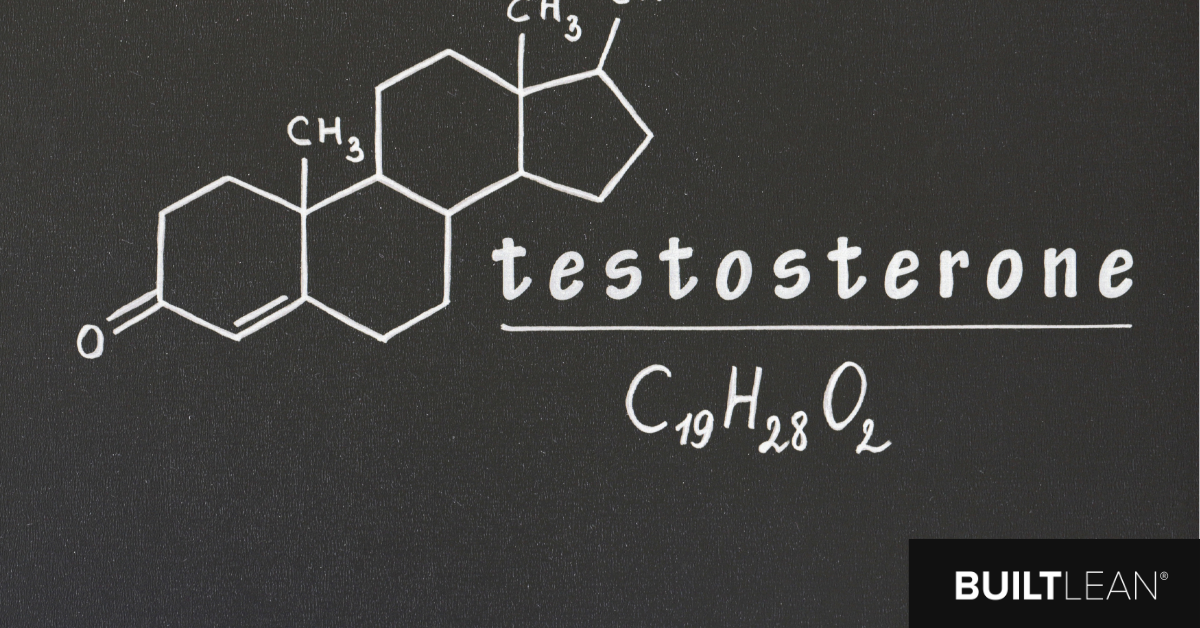

Testosterone builds muscle, improves energy and sex drive, increases feelings of well-being, and protects against diabetes and heart disease. Increasing levels of testosterone can help a man increase his lean muscle tissue, decrease his body fat, and basically feel better overall.1
There are a variety of ways to boost low testosterone. Exercise, proper nutrition, sleep and appropriate treatment of other medical conditions will help keep testosterone levels optimal. In addition, certain supplements can raise levels, and medically supervised hormone replacement therapy is available through qualified health care practitioners. And finally, to the subjective benefits of raising testosterone, higher levels will likely decrease a man’s chance of dying prematurely.2
1. Lower Your Body Fat
This is number one on the list because it is something most people should be doing anyway. Higher levels of body fat are correlated with lower total and free testosterone levels.3 4 Even if you do decide to seek hormone replacement therapy or take testosterone-boosting supplements, you should still make sure your body fat is low enough that you can see your abs. While testosterone levels can actually decrease with very low levels of body fat, this is not something the vast majority of people need to be concerned with. So exercise hard and eat smart. Your test levels will thank you.
2. Get Adequate Sleep
A study published in the Journal of the American Medical Association shows a 10-15% drop in testosterone levels in young men who slept only 5 hours per night.5 The effect of poor sleep on testosterone has been demonstrated in a number of other studies on both humans6 and rats.7 If you have a thick neck and snore, have your doctor order a test for sleep apnea (which can cause low testosterone levels by itself). Try to get 8 hours of restful sleep every night. Certain supplements, such as 5-HTP and melatonin, can be helpful but should only be tried after getting clearance from your health care provider.
3. Hormone Replacement Therapy
This is the most reliable way to boost testosterone but must be done under the care of a knowledgeable physician. When used properly, HRT can help restore lean muscle mass, improve quality of life, enhance sex drive and decrease risk of many series chronic diseases. However, there are potential downsides (worsening of sleep apnea, dangerous elevations in red blood cell counts and a theoretical possibility of unmasking a prostate cancer, though the research does not convincingly show this actually occurs) which must be carefully weighed against the benefits. Many doctors seem to be prescribing testosterone indiscriminately, and while in certain patient populations it is a great treatment (and I prescribe it often), the choice to take it should not be taken lightly.
4. Optimize Vitamin D Levels
In addition to helping increase bone density, decrease risk of certain cancers, improve immune function and protect against autoimmune diseases, there is increasing evidence vitamin D supplementation can increase testosterone levels.8 9 Have your levels checked (Ask your doctor to order a 25-hydroxy vitamin D level) and supplement based on that number. I like my patients to be in the 50-70 range, and I follow the levels closely because vitamin D can be toxic at high levels. Before starting supplementation, it is imperative to make sure that you have no health issues that could make vitamin D dangerous.
5. Consider Supplementation
This option should only be under a health care provider’s supervision. There are countless “testosterone boosters” out there, and only a few are backed by clinical research. D aspartic acid, l carnitine l tartrate, and Tongkat Ali may help increase testosterone. However, there are potential risks with all of these and a testosterone boosting supplement regimen should never be undertaken without professional supervision.